Tea style, place of origin, harvest date, brewing suggestions: Ostensibly, these key figures are all you really need to know about our teas. But there is much more to them than what’s on the packaging. In this article, we want to highlight some of the untold background stories and special details about our five Himalaya teas. Some of them might surprise you!

Silver Needle Full Moon
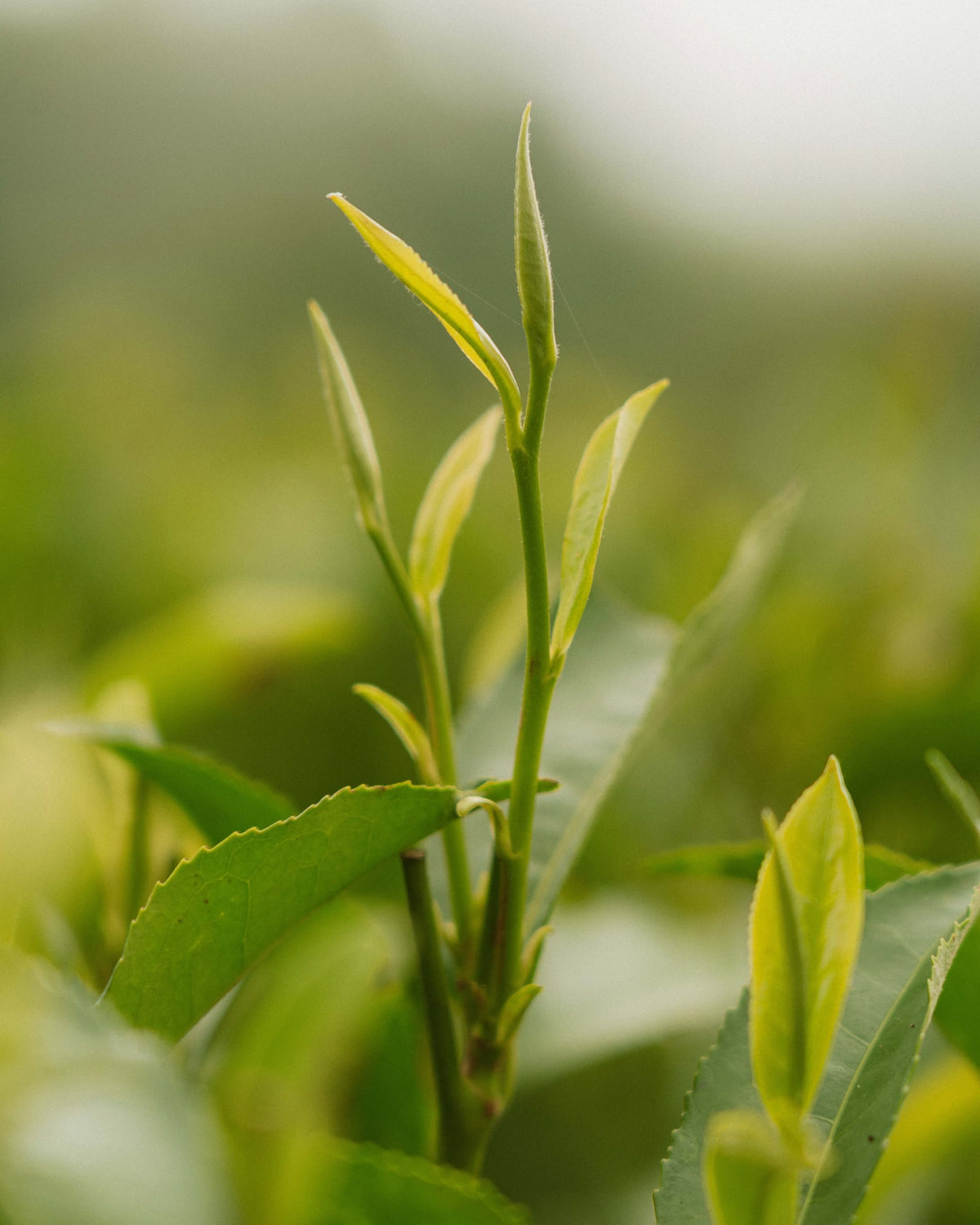
Our only white tea is harvested in very small quantities a few times a year. At night during the full moon, villagers gather and take to the fields. They carry torches to illuminate their path as they harvest the youngest, unopened buds of the tea plant by hand. The concept of Silver Needle tea originates in China and its name is a reference to the fine silvery down that covers the young buds. Roughly 10.000 of them are needed for just one kilo, which makes this tea the rarest in our collection.
The full moon harvest was developed in Darjeeling in line with biodynamic farming. Two days before until two days after the full moon, plants are believed to be at a peak of internal movement and energy. The theory is that the moon’s influence on the tides also affects the water and sap flow inside the tea plant, drawing it away from the buds so their aroma is more concentrated. This fleeting intensity is captured by drying the buds without rolling to keep them intact and allow for only slight oxidation. Keeping the processing minimal means that this tea is the purest expression of the leaf’s character, preserved until it unfolds in your cup: Remarkably delicate and sweet, with soft, floral notes and a subtle texture that feels almost weightless on the palate. It is delicious served warm, but also makes an excellent cold refreshment.

Himalaya Spring
The lightest of our black teas is an awakening from a long rest. In the winter, plants conserve energy and nutrients; growth stops completely at temperatures below 12°C. With the first rays of spring sun and the onset of warmer weather, green buds begin to emerge, distilling all the preserved energy from the past months into their slow and careful growth.
Himalaya Spring is the only one of our teas plucked in a single day. The winter leading up to the harvest on April 12th, 2025 was unusual. Unseasonal rain in November was followed by an extended dry period and a relatively mild winter. This created controlled moisture stress in the plants, concentrating aromatic compounds and intensifying flavour development. Growth was slow and balanced; finally, light rainfall right before the harvest softened the edges of the profile and added nuance. The result is a spring tea with both brightness and depth.
The leaves for this tea are rolled gently, but not left to oxidise further. This is atypical for a black tea, which by definition is usually fully oxidised. With its bright colour and subtle astringency, Himalaya Spring will appeal to any green tea lover.

Second Musk Flush
Second Flush refers to a summer harvest, which is the time when leaves grow faster due to warmer weather. Musk refers to its aroma, which is reminiscent of muscatel grapes, slightly sweet with hints of warm spice.
What makes this tea particularly special, though, is the “green fly”, an aphid that naturally inhabits the gardens. Summertime is snacktime for these tiny insects as they pierce the leaves and feed on the plant’s juices. What would be considered a nuisance by many gardeners leads to a remarkable transformation: The insect’s nibbling activates the natural defence mechanisms of the tea plant, altering its chemistry and concentrating aromatic compounds within the leaf. Only about 4-5% of the harvest is affected and processed separately from the unaffected leaves to create an exclusive summer tea. One bug’s dinner is a tea drinker’s delight – and proof of a healthy ecosystem!
It is delicious as a cold brew, too. Steeping it in cold water in the fridge for a few hours (or about 30 minutes at room temperature) will result in a sweeter, smoother drink, allowing its muscatel character to really shine.

Autumn Flush
As the last harvest of the year, this tea marks the quiet closing chapter of the tea season. When summer fades and temperatures begin to drop, the tea plant gradually prepares for dormancy. Growth slows, energy is conserved, and the leaves develop with less intensity than in spring or summer.
Because of this, the processing is essential to bring out the leaf’s full potential: Higher drying temperatures encourage the development of warmer, deeper flavours. In the cup, this translates into subtle oaky notes and a deep amber colour. This tea is a perfect match for its season, offering comfort and warmth as days get colder and shorter, and it is perfect for everyday drinking.

Himalaya Imperial Black
The darkest tea in our collection is a summer flush. At Jun Chiyabari, three harvests take place in early, mid, and late summer, each bringing forth a slightly different flavour profile. Imperial Black marks the peak of the season, when a very small time window offers the perfect conditions for its characteristics to develop. Leaves are combined from slightly different cultivars on different fields, adding variety to its aroma.
As meticulously executed as the harvest, the processing method of Imperial Black is a combination of time and careful handling. Unlike the usual Himalayan teas, it is fully oxidised, but the leaves are rolled very gently and slowly to avoid breakage, which could compromise their mild, balanced flavours. Unlike the bolder cups favoured in much of South Asia, the result is a dark, yet smooth flavour profile that is more often found in the East Asian teas that inspired it. Despite being a summer tea, it is perfect for creating warmth and cosiness on winter days.