Portrait of a smiling Eduard/ customerPortrait of a smiling Eduard/ customerPortrait of a smiling Eduard/ customer1,000+ tea drinkersalready enjoy our teas.

Second Musk Flush

Black Tea, 40g

A rare summer harvest - fruity and muscatel-sweet, with a hint of walnut.

  • Black tea from the summer flush, with its signature muscatel aroma
  • Only the most expressive 4–5% of the harvest, plucked by hand
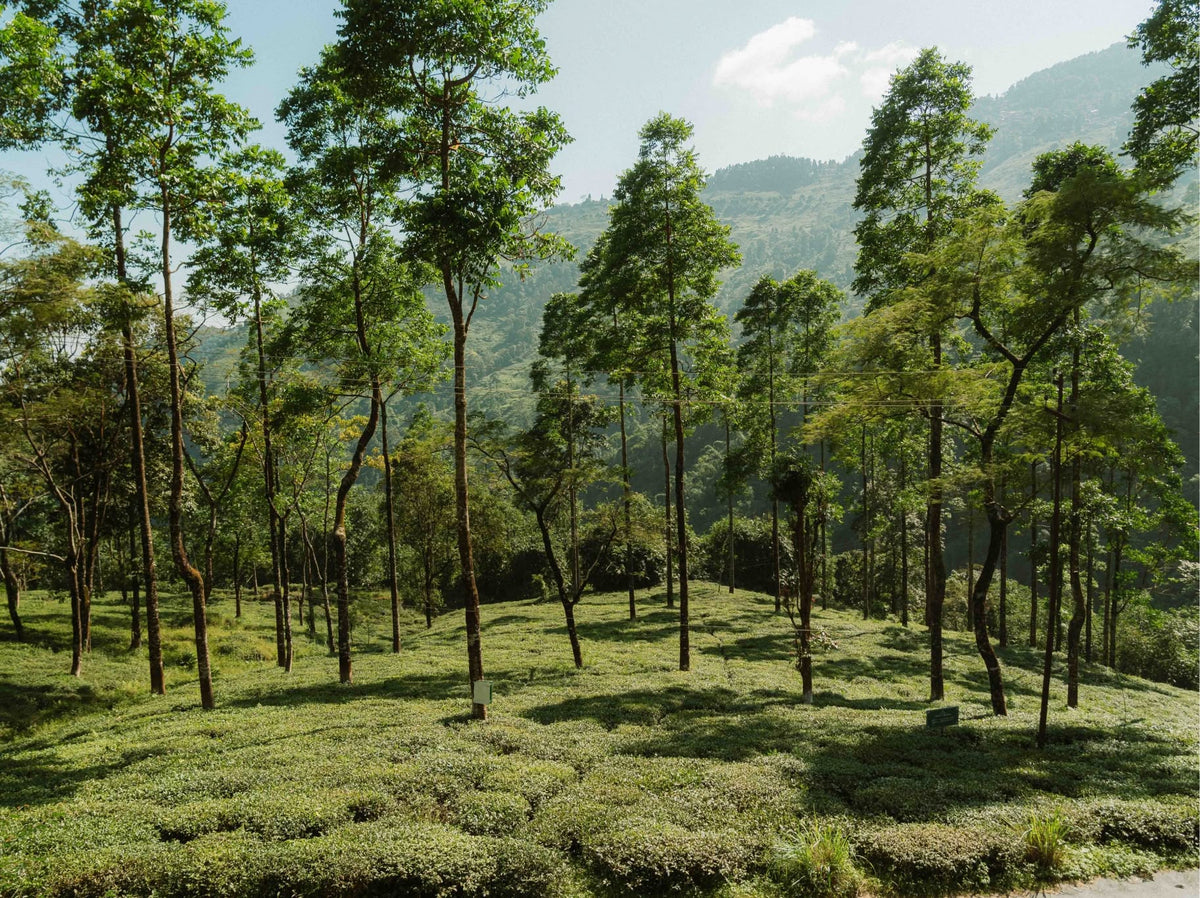
  • From Jungpana Tea Estate in Darjeeling, grown at 1,600 m
€ 13,00€ 0,65 per cup
€ 32,50 / 100 g
incl. VAT, plus shipping
Choose your quantity
In stock – delivered to your door in 2 to 4 working days
Secure checkout
PayPal payment iconKlarna invoice payment iconKlarna instant payment iconVisa payment iconMastercard payment iconApple Pay payment iconGoogle Pay payment iconAmerican Express payment iconShop Pay payment icon
Your legal guarantee rights
Verified

“Sipping this while waiting for this year’s second flush reminds me why Darjeeling is so iconic. There’s something very familiar here - almost like a “reference point” for what many people imagine tea to taste like. So easy to drink, just enjoying every moment with my cup.”

Second Musk Flush black tea in an Eduard/ pouch (40 g)
Pouch of Second Musk Flush on a table next to a plant
Dry leaves, infusion and infused leaves of Second Musk Flush
Amber infusion of Second Musk Flush in a glass
Back of the Second Musk Flush pouch with origin, brewing guide and QR code
Tea makers checking withering tea leaves in Darjeeling
Second Musk Flush black tea in an Eduard/ pouch (40 g)
Pouch of Second Musk Flush on a table next to a plant
Dry leaves, infusion and infused leaves of Second Musk Flush
Amber infusion of Second Musk Flush in a glass
Back of the Second Musk Flush pouch with origin, brewing guide and QR code
Tea makers checking withering tea leaves in Darjeeling

Description

Summer in the Himalaya is the season of abundance: long days filled with intense sunlight, warmth and humidity, lush green slopes and warm, fragrant air. The tea plants respond with vigour, growing faster and forming leaves with a deeper, fuller and fruitier character than in spring. Second Flush refers to this summer harvest; Musk refers to its aroma, reminiscent of muscatel grapes, slightly sweet with hints of warm spice. Every cup brings the warmth of a Himalayan summer to your table, whatever the season.

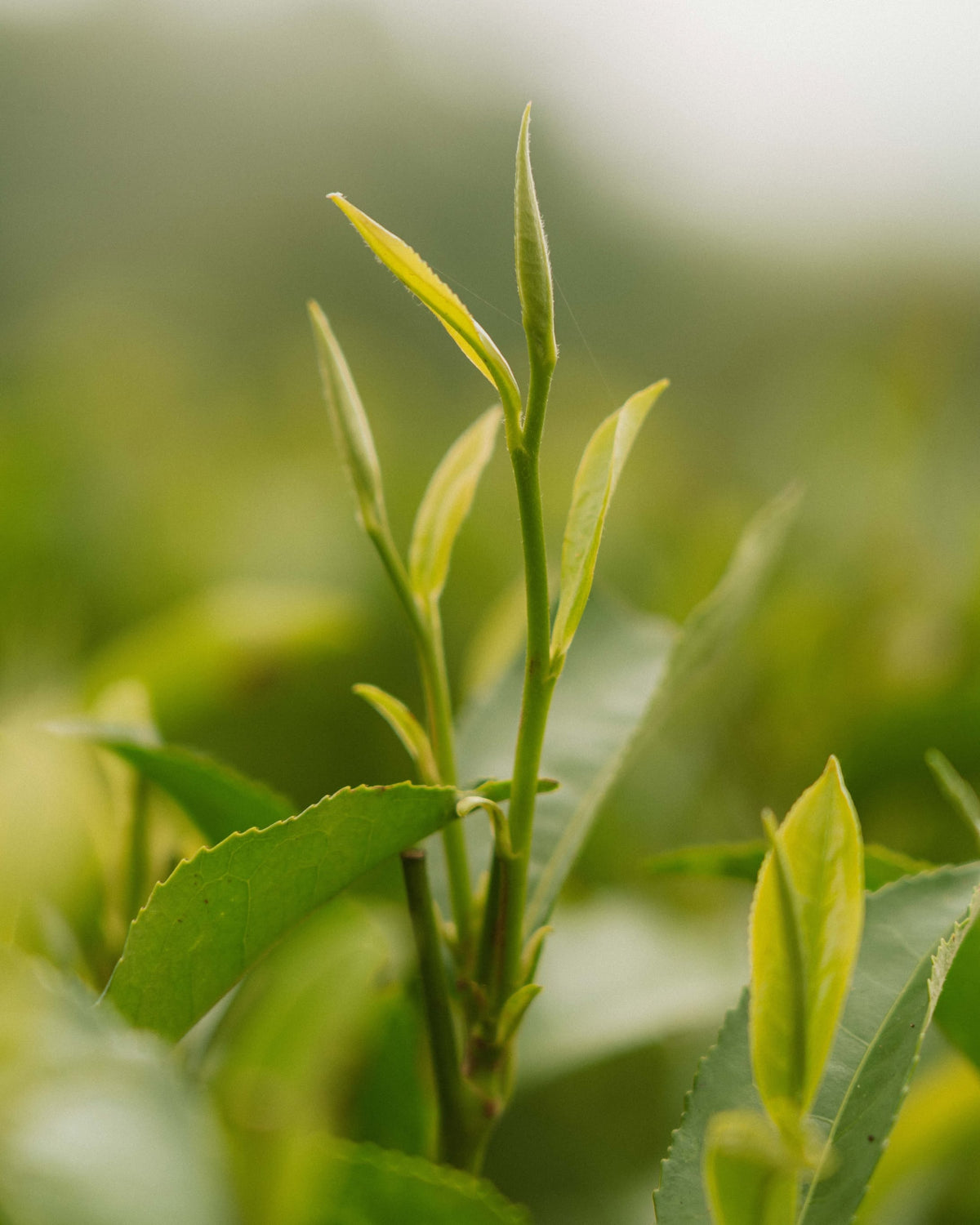
What makes this tea particularly special, though, is the “green fly”, an aphid that naturally inhabits the gardens. Summertime is snacktime for these tiny insects as they pierce the leaves and feed on the plant’s juices. What would be considered a nuisance by many gardeners leads to a remarkable transformation: The insect’s nibbling activates the natural defence mechanisms of the tea plant, altering its chemistry and concentrating aromatic compounds within the leaf. Only about 4-5% of the harvest is affected and processed separately from the unaffected leaves to create an exclusive summer tea. One bug’s dinner is a tea drinker’s delight – and proof of a healthy ecosystem!

It is delicious as a cold brew, too. Steeping it in cold water in the fridge for a few hours (or about 30 minutes at room temperature) will result in a sweeter, smoother drink, allowing its muscatel character to really shine.

Flavour

  • Muscatel
  • Walnut
  • Honey

Character

  • Fruity
  • Floral
  • Sweet
  • Roasted
  • Spicy
  • Vegetal
  • Intensity
  • Caffeine

Origin

Darjeeling, India
  • Origin Darjeeling, India
  • Tea Maker Jungpana Tea Estate
  • Average Altitude 1600 meters
  • Cultivar China Bush
  • Harvest Time May 2025

Meet the Maker

Jungpana Tea Estate, Darjeeling

Tucked away in the hills of Darjeeling, Jungpana is known as the “green island in the mountains”. Boasting over a hundred years of tradition, the estate has seen a transition from the laborious harvest methods of the past to more modern technologies in recent years. Jungpana’s tea makers continuously strive to refine their craft and deepen their connection to the land while upholding a reputation of consistency, elegance, and expressive terroir.

Tea leaves on a rolling machine in a tea factoryTea garden with tall shade treesJeep with a Darjeeling sign

Brewing Suggestions

  • Water Temperature85°C
  • Tea / Water2 grams or 1 tsp / 100ml
  • 2 Brewings / Duration1:30 – 1:30
  1. Heat the waterSoft water — filtered or spring water. Hard water makes the tea taste flat.
  2. Measure the leaves2 g per 100 ml, which is about one teaspoon.
  3. Let it steepPour over and give it one and a half minutes. No stirring, no pressing.
  4. Strain and enjoyStrain when the time is up. For the second infusion, repeat step 3.
  • WaterCold and soft, filtered or spring water
  • Tea / Water1 gram or 0.5 tsp / 100ml
  • Steeping Time6 – 8 hours in the fridge
  1. Fill the carafe1 g per 100 ml straight into a carafe or bottle.
  2. Add cold waterTop it up with cold, soft water — filtered or spring water.
  3. Into the fridgeSix to eight hours. Setting it up before bed works well.
  4. ServeStrain the leaves out and enjoy.

The Eastern Himalayas

Blending cultures, building bridges

Breathtaking summits, sprawling valleys, lush green forests, and raging rivers: The Eastern Himalayas are a sanctuary of life. As diverse as the region’s habitat are its people, who nurture a variety of tea traditions that connect history with innovation. With its numerous religions, languages, and customs, this heritage harbours a rich palette of flavours and aromas. From the hills of Darjeeling to the natural paradise of Sikkim and the rugged beauty of Nepal: Eduard/Himalaya takes tea to new heights.

Snow-capped Himalayan peaks above the clouds Freshly plucked tea buds in a hand Jeep with a Darjeeling sign A tea maker checking withering tea leaves Tea picker with a basket in a lush tea garden Close-up of colourful Tibetan prayer flags

30 days satisfaction guarantee

Taste it first, then decide.

Open the bag and brew the tea. Take a few cups to decide. If it isn't for you, email us within 30 days of delivery and we'll refund you in full — no return shipment. Keep the tea or pass it on to someone who'll enjoy it.

Reviews

Customer Reviews

Based on 2 reviews
100%
(2)
0%
(0)
0%
(0)
0%
(0)
0%
(0)
S
Simon

Sipping this while waiting for this year’s second flush reminds me why Darjeeling is so iconic. There’s something very familiar here - almost like a “reference point” for what many people imagine tea to taste like. So easy to drink, just enjoying every moment with my cup.
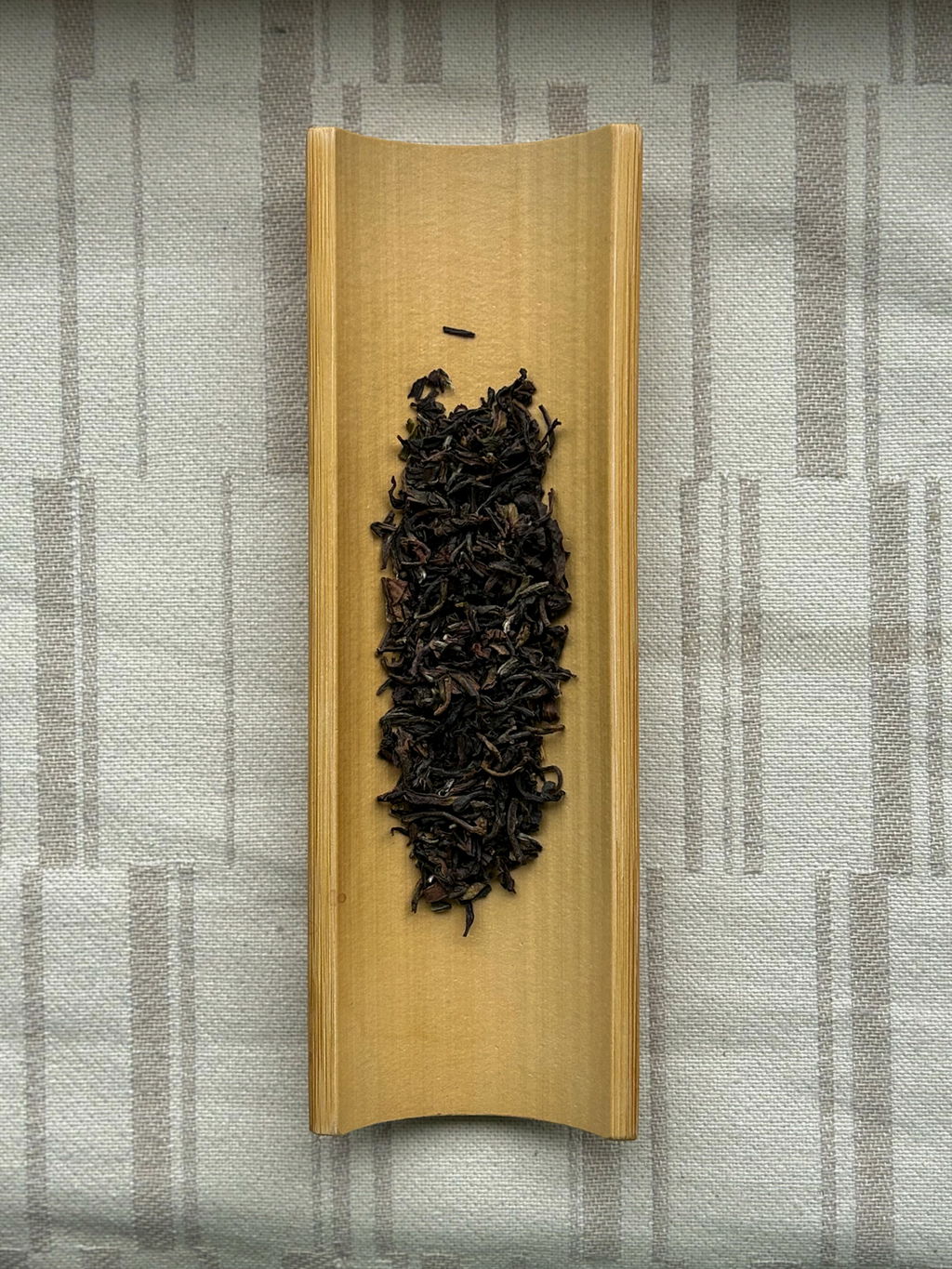
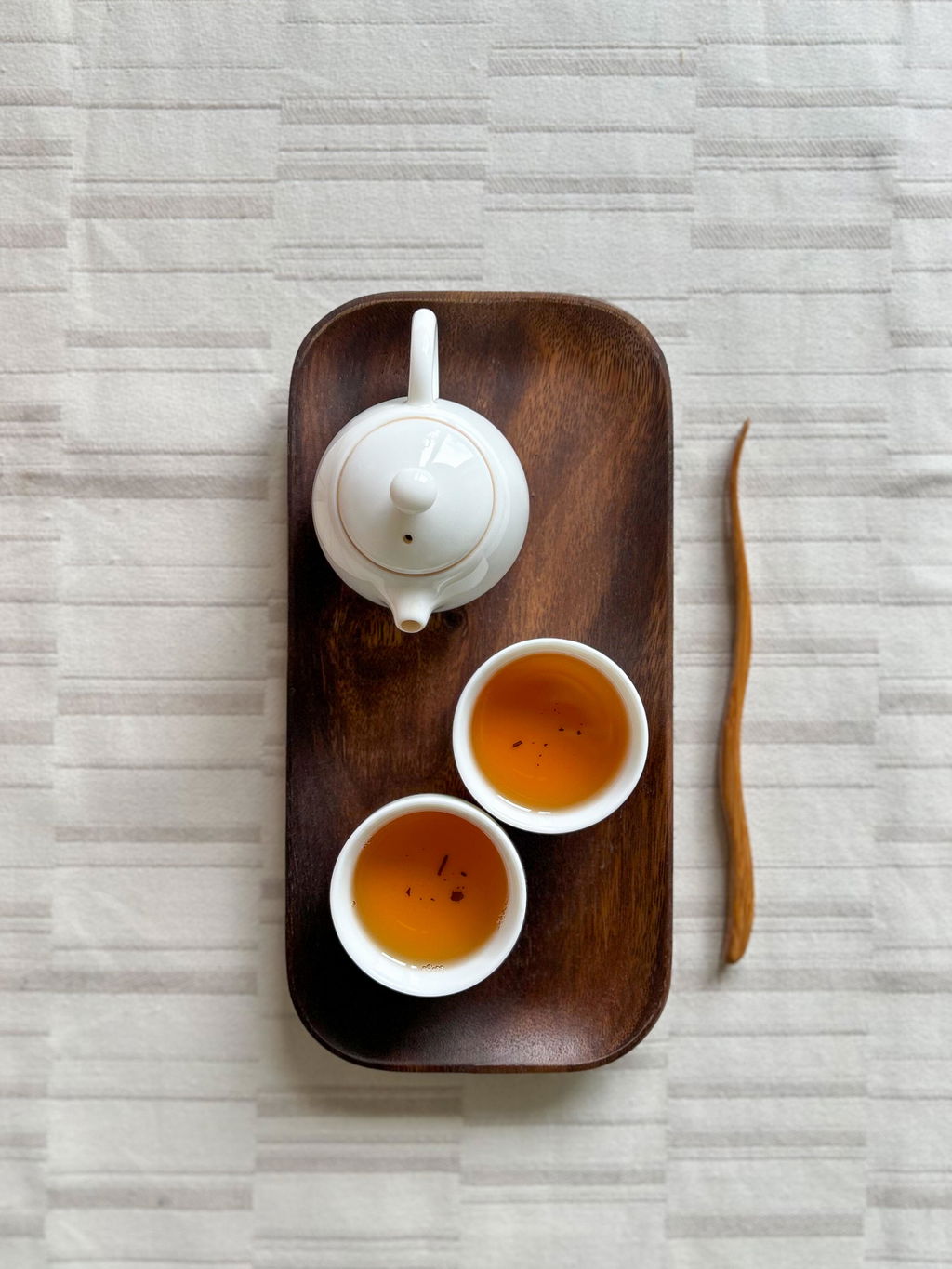
Simon review photoSimon review photo
D
DaNi

Der Second Musk, begleitet mich jeden morgen. Gerade weil er so frisch ist, ein ganz besondere Tee für mich.

About Us

Leaves & Stories

Eduard/ is a contemporary tea label founded in Berlin in 2025 by tea sommelier Eduardo Molina. We release curated collections of teas from a single tea-growing region. Each collection is a bridge into that region and an invitation to discover its terroir, people, and stories.

Eduardo Molina, founder of Eduard/, smiling with a glass of tea
Close-up of fresh tea shoots on a tea bush

FAQ

How do I brew Second Musk Flush?

Use 2 g of leaves — about one teaspoon — per 100 ml of water at 85 °C. Let it steep for one and a half minutes, then strain. The same leaves carry a second infusion, again for one and a half minutes.

Does it work as a cold brew?

Yes. Put about 1 g of leaves per 100 ml into cold, soft water, leave it in the fridge for six to eight hours, then strain. Drink it as it is — no ice, no lemon: cold brewing brings out the sweet muscatel character on its own, and both would cover it up.

Which water is best for this tea?

Water is almost everything that ends up in the cup, so its quality decides a large part of what you taste. Filter it if you can; without a filter, use a low-mineral spring water such as Volvic. Hard, strongly mineralised water makes the tea taste flat — the muscatel and honey notes disappear behind the minerals, and what is left is dull and slightly chalky. On a Darjeeling this expressive the difference is easy to taste.

We work with the Aarke Purifier, which turns even mediocre tap water into water worth drinking — but a simple filter jug does the job too. And the same applies to cold brew: filtered water, straight into the fridge.

Can I brew the leaves more than once?

Absolutely! And the second infusion is often the best one. Unlike the broken leaf in a supermarket tea bag, whole leaves need the first infusion just to open up, and they change as they go: bright and fragrant at first, then denser and sweeter, finally quiet and mineral. In Chinese gongfu cha, eight to fifteen infusions are perfectly normal. The steeping times for the later infusions are printed on the pouch.

Do intensity and caffeine go together?

Less than most people assume. What you taste as intensity comes from tannins, oxidation and roasted notes — caffeine itself is barely noticeable in the cup. A pale, gentle tea can carry more of it than a dark, robust one. That is why we show the two scales separately.

The reason lies in the plant. Caffeine is not there for our benefit but as a defence: the tea plant builds it to keep insects away from its youngest shoots. That is exactly where it sits most densely — in the bud and the top leaves, while older, tougher leaves hold less. A tea made from buds alone, pale in the cup and delicate on the palate, therefore often sits higher on the caffeine scale than a dark black tea. Variety, altitude, temperature and the moment of harvest all play their part, and so does the cup itself: how much leaf you use, how hot the water is and how long it steeps decide how much caffeine actually ends up in your brew.

The scale helps to put that in perspective. Depending on leaf and brew, a cup of tea sits somewhere between 10 and 70 milligrams of caffeine — at the bottom light infusions of stems and older leaves, at the top a generously dosed black tea from young leaf. A cup of coffee starts at around 90 milligrams and climbs to 200 and beyond, depending on bean, roast and dose. Coffee, in other words, begins roughly where tea leaves off.

The curious part: dry tea leaf holds a higher share of caffeine than a coffee bean does. What decides is not the content of the raw material but how much of it makes its way into the water — and that takes surface. A bean is ground; a whole leaf gives up only part of what it holds in two minutes of steeping. Which is exactly why matcha is the exception among teas: it is milled to a fine powder and not infused but drunk whole, leaf and caffeine together. A bowl of matcha therefore sits closer to coffee than to tea.

How should I store the tea?

Keep the bag closed and store it dry, dark and away from strong smells. A cool spot at room temperature works better than the fridge.

Is Second Musk Flush organic?

No, this tea carries no organic seal — and that is down to cost, not to how it is grown. Certification is barely affordable for small gardens, and those are exactly the gardens the most remarkable teas come from. Jungpana Tea Estate sits at 1,600 metres in a secluded valley in Darjeeling and works without chemical pesticides. We have stood there and seen it. That commitment cannot be certified, but it can be tasted.

How long does delivery take?

Your order is packed in Berlin and reaches you within two to four working days. Shipping within Germany is free from 69 €.

What if I don't like the tea?

Then it's on us. Write to us within 30 days of delivery and you'll get your money back in full. Nothing needs to be sent back — keep the tea or pass it on.

Second Musk Flush € 13,00