Portrait of a smiling Eduard/ customerPortrait of a smiling Eduard/ customerPortrait of a smiling Eduard/ customer1,000+ tea drinkersalready enjoy our teas.

Wulong Suka (Agro-Forestry)

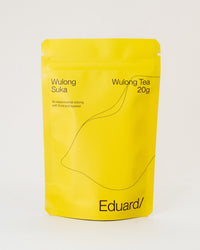
Wulong Tea, 20g

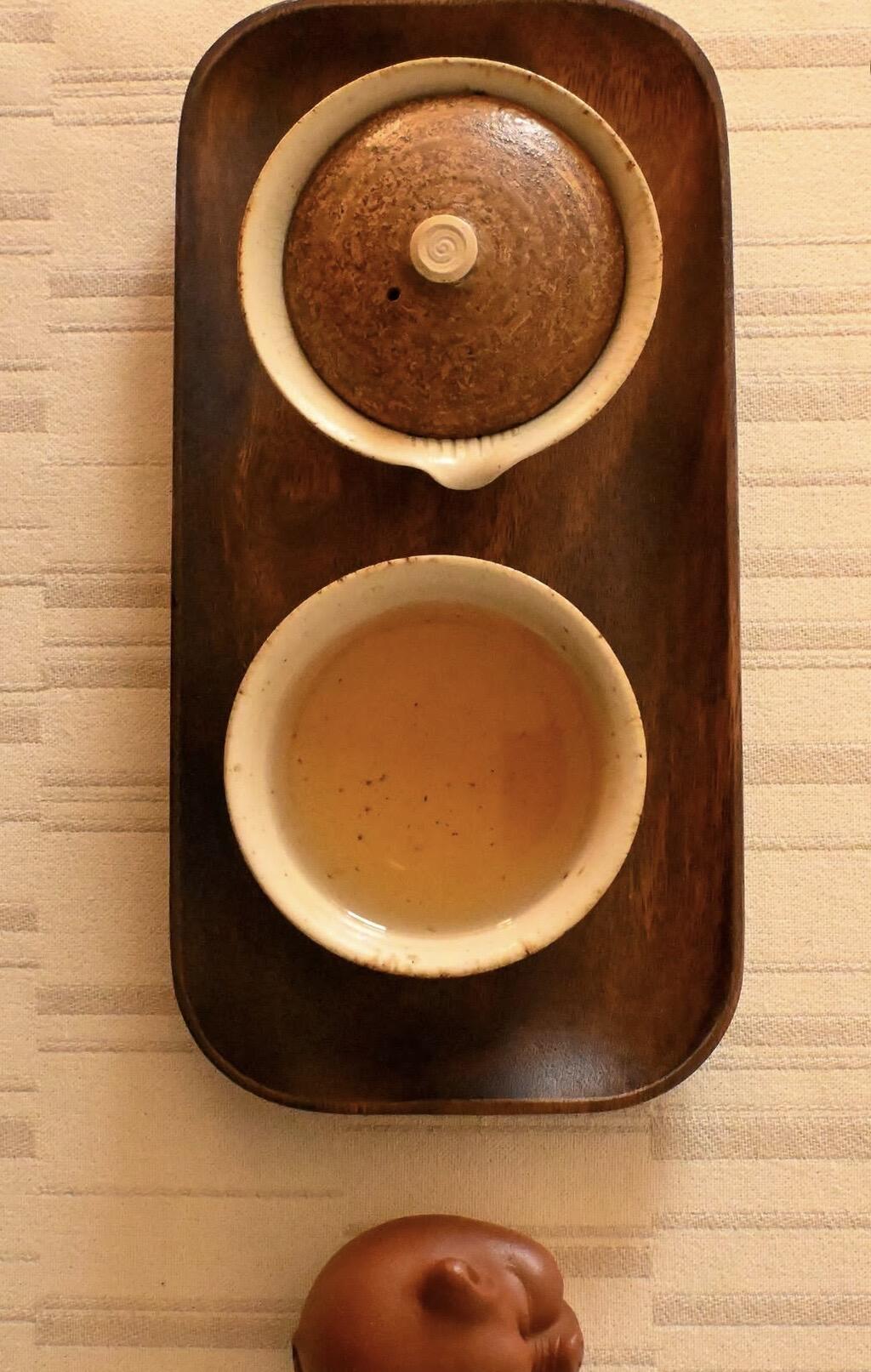
A wulong in layers - orchid first, then vanilla and green leaves.

  • Lightly oxidised and lightly roasted wulong from Peru
  • Good for four infusions from the same leaves
  • From Madre Térra in the Huyro Valley, grown at 2,100 m
€ 15,00€ 0,75 per cup
€ 75,00 / 100 g
incl. VAT, plus shipping
Choose your quantity
In stock – delivered to your door in 2 to 4 working days
Secure checkout
PayPal payment iconKlarna invoice payment iconKlarna instant payment iconVisa payment iconMastercard payment iconApple Pay payment iconGoogle Pay payment iconAmerican Express payment iconShop Pay payment icon
Your legal guarantee rights
Verified

“This tea is a fascinating example of how oolong is finding new expressions beyond its traditional origins. There is definitely something Andean about this tea - perhaps coming from its high-altitude landscape (2100m / 6900 ft !), the experimental spirit behind the product, or just simply the place around it. It feels like a tea to enjoy slowly, with a misty mountain landscape in mind 🏔️ - it also has something that reminds me of fresh mountain vegetation after rain - green, bright and soul-refreshing. 🌿”

Wulong Suka wulong tea in an Eduard/ pouch (20 g)
Pouch of Wulong Suka on a shelf with dried flowers
Dry leaves of Wulong Suka on a plate
Glass of Wulong Suka over ice with a straw
Wulong Suka wulong tea in an Eduard/ pouch (20 g)
Pouch of Wulong Suka on a shelf with dried flowers
Dry leaves of Wulong Suka on a plate
Glass of Wulong Suka over ice with a straw

Description

Wulong Suka is a high-mountain wulong – also known as oolong – from the Peruvian Andes, grown at 2,100 metres in the Huyro Valley. Wulong is still young in Peru, and rather than copying an established wulong style, this tea has developed a style entirely its own. It is lightly oxidised and lightly roasted.

Its flavour unfolds in layers. It opens with floral notes reminiscent of orchids, then a gentle sweetness appears with hints of vanilla and soft fruit. Over time a warm vegetal character comes through, recalling green leaves and giving the cup depth. The profile shifts from sip to sip and from one infusion to the next.

The tea is named after Saruka Salazar, known as Suka – the grandmother of the fourth-generation farmer who runs Madre Térra today, and the one who first brought wulong processing to the family. Peruvian tea rarely leaves the country: the small volumes are spoken for at home, not least by Peru's best restaurants. We are the first to bring it to Europe.

Flavour

  • Orchid
  • Vanilla
  • Green leaves

Character

  • Fruity
  • Floral
  • Sweet
  • Roasted
  • Spicy
  • Vegetal
  • Intensity
  • Caffeine

Origin

Valle de Huyro, Peru
  • Origin Valle de Huyro, Peru
  • Tea Maker Madre Térra
  • Average Altitude 2100 meters
  • Cultivar Unknown
  • Harvest Time May 2026

Meet the Maker

Madre Térra, Peru
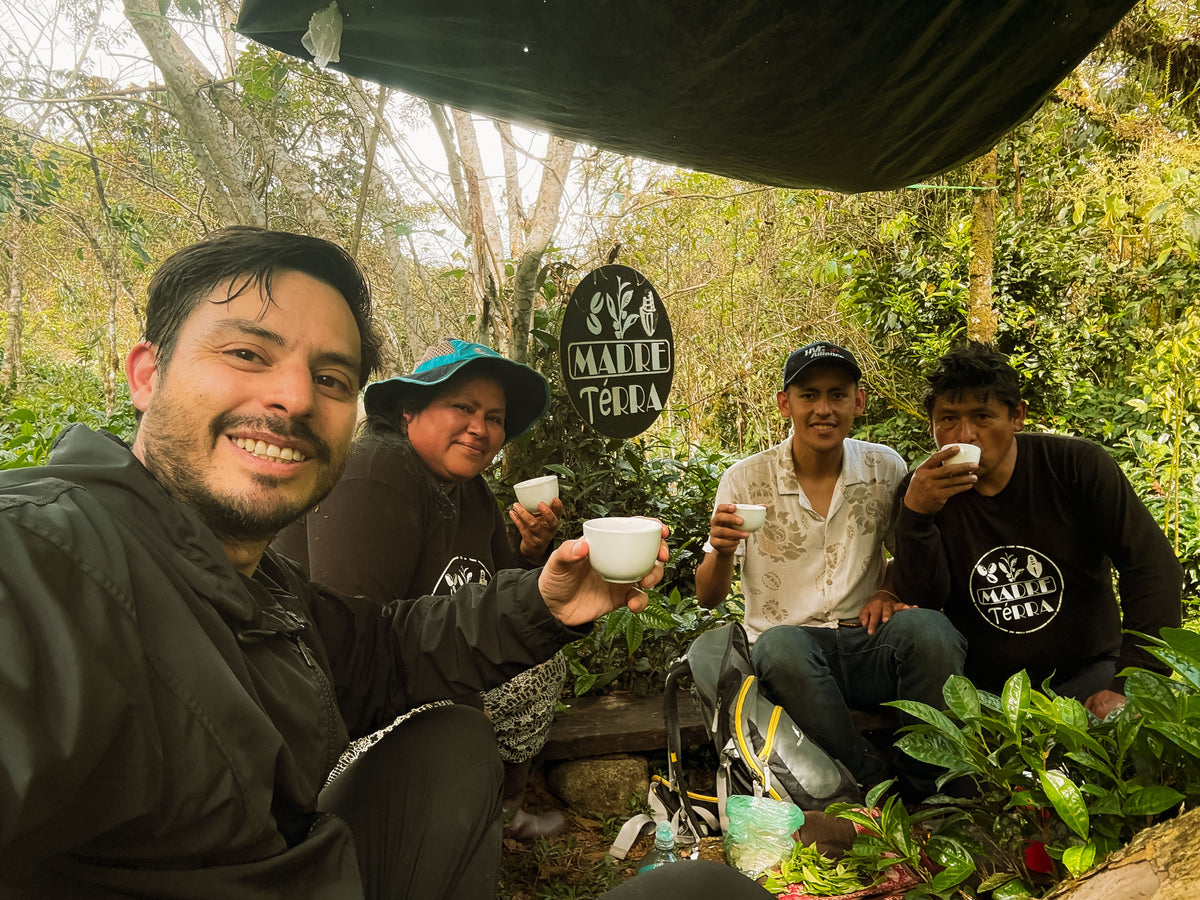
This family business was born in 2014 in the high jungle mountains of Huyro Valley, known as the heart of Peru’s tea industry. But just like the semi-wild plants they harvest for their award-winning products, the founders’ heritage reaches back to the beginnings of Peruvian tea history: Four generations of tea makers have shaped Madre Térra and earned its reputation for some of the country’s finest and most innovative teas.

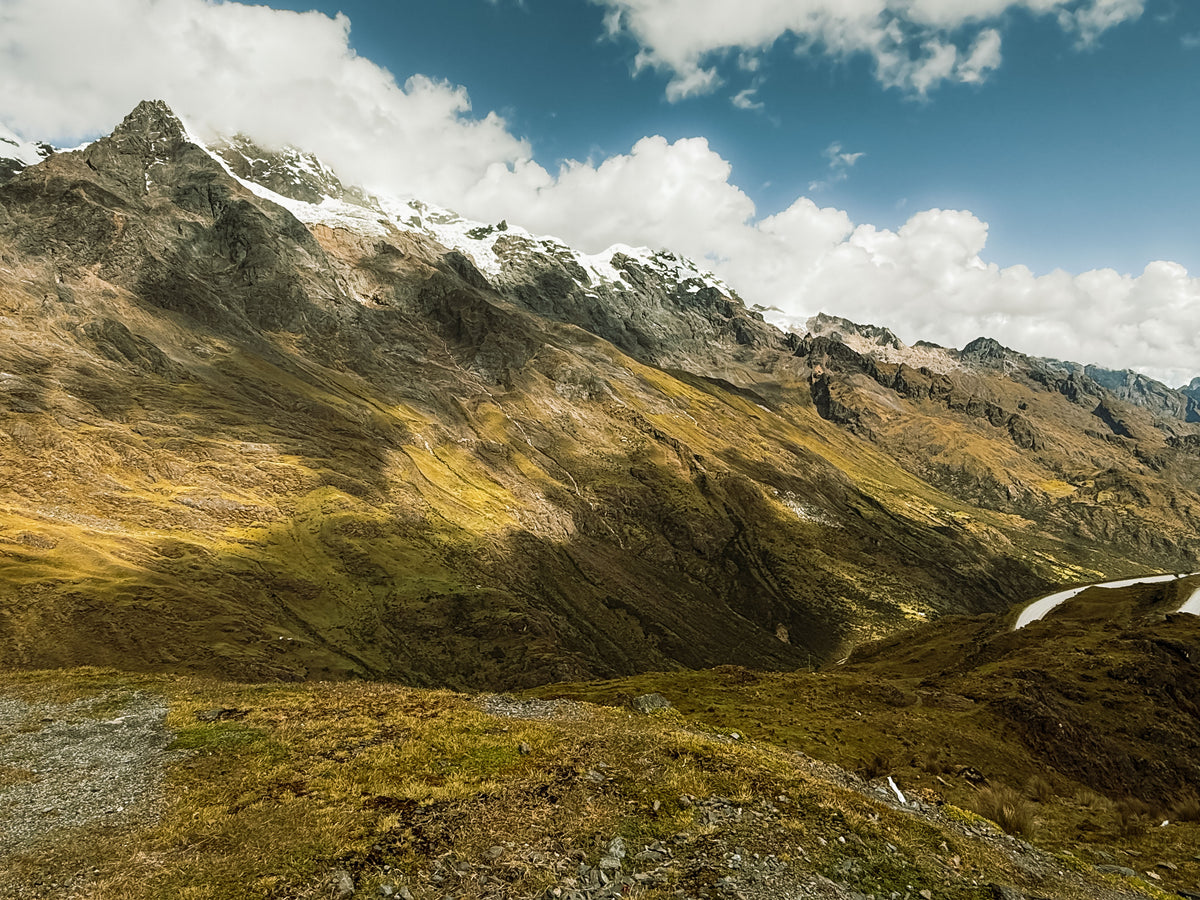
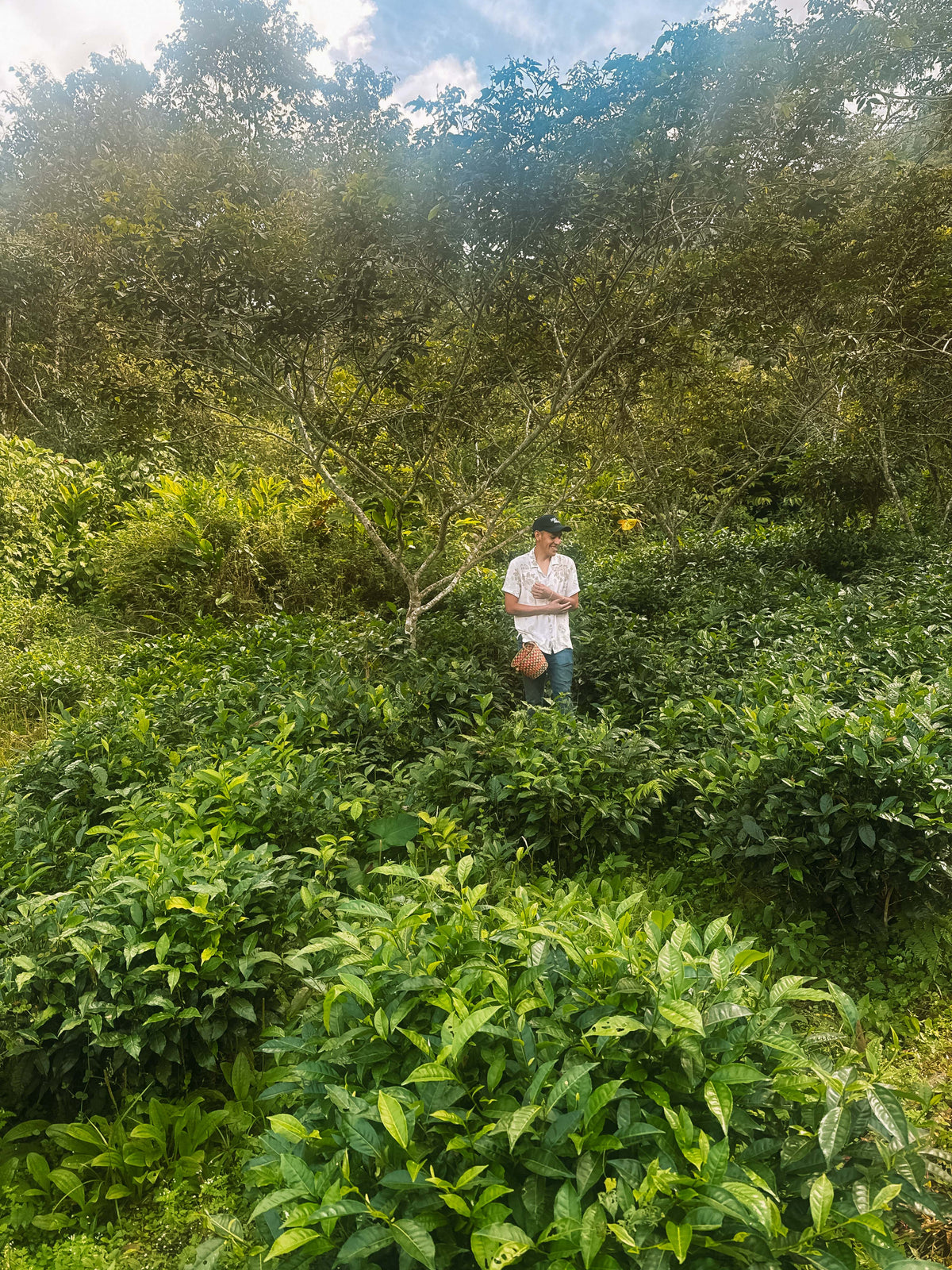
Eduardo toasting with tea farmers in PeruRugged mountain landscape in the Andes of PeruA person in a lush tea garden in Peru

Brewing Suggestions

  • Water Temperature90°C
  • Tea / Water2 grams or 2 tsp / 100ml
  • 4 Brewings / Duration1:30 – 1:00 – 1:00 – 1:30
  1. Heat the waterSoft water — filtered or spring water. Hard water makes the tea taste flat.
  2. Measure the leaves2 g per 100 ml, which is about two teaspoons.
  3. Let it steepPour over and give it one and a half minutes. No stirring, no pressing.
  4. Strain and enjoyStrain when the time is up. For the second to fourth infusion, repeat step 3.

The Andes

Where nature meets craft

From Colombia to Chile, the Andes cover nearly 9000 km of deserts, icy summits, and rainforests. In the north, equatorial climate brings alternating wet and dry seasons. In the mountains of Peru and Colombia, tea plants have been able to flourish year-round since arriving from Asia in the early 20th century.

Tea garden in an Andean valley with a farmer and sheep Andean valley with a river and snow-capped peaks Tea pickers at work in a tea field in the Andes Woven basket with freshly plucked tea leaves Eduardo smiling in a tea garden in the Andes Open sack of dried tea leaves

30 days satisfaction guarantee

Taste it first, then decide.

Open the bag and brew the tea. Take a few cups to decide. If it isn't for you, email us within 30 days of delivery and we'll refund you in full — no return shipment. Keep the tea or pass it on to someone who'll enjoy it.

Reviews

Customer Reviews

Based on 2 reviews
100%
(2)
0%
(0)
0%
(0)
0%
(0)
0%
(0)
S
Simon

This tea is a fascinating example of how oolong is finding new expressions beyond its traditional origins. There is definitely something Andean about this tea - perhaps coming from its high-altitude landscape (2100m / 6900 ft !), the experimental spirit behind the product, or just simply the place around it. It feels like a tea to enjoy slowly, with a misty mountain landscape in mind 🏔️ - it also has something that reminds me of fresh mountain vegetation after rain - green, bright and soul-refreshing. 🌿
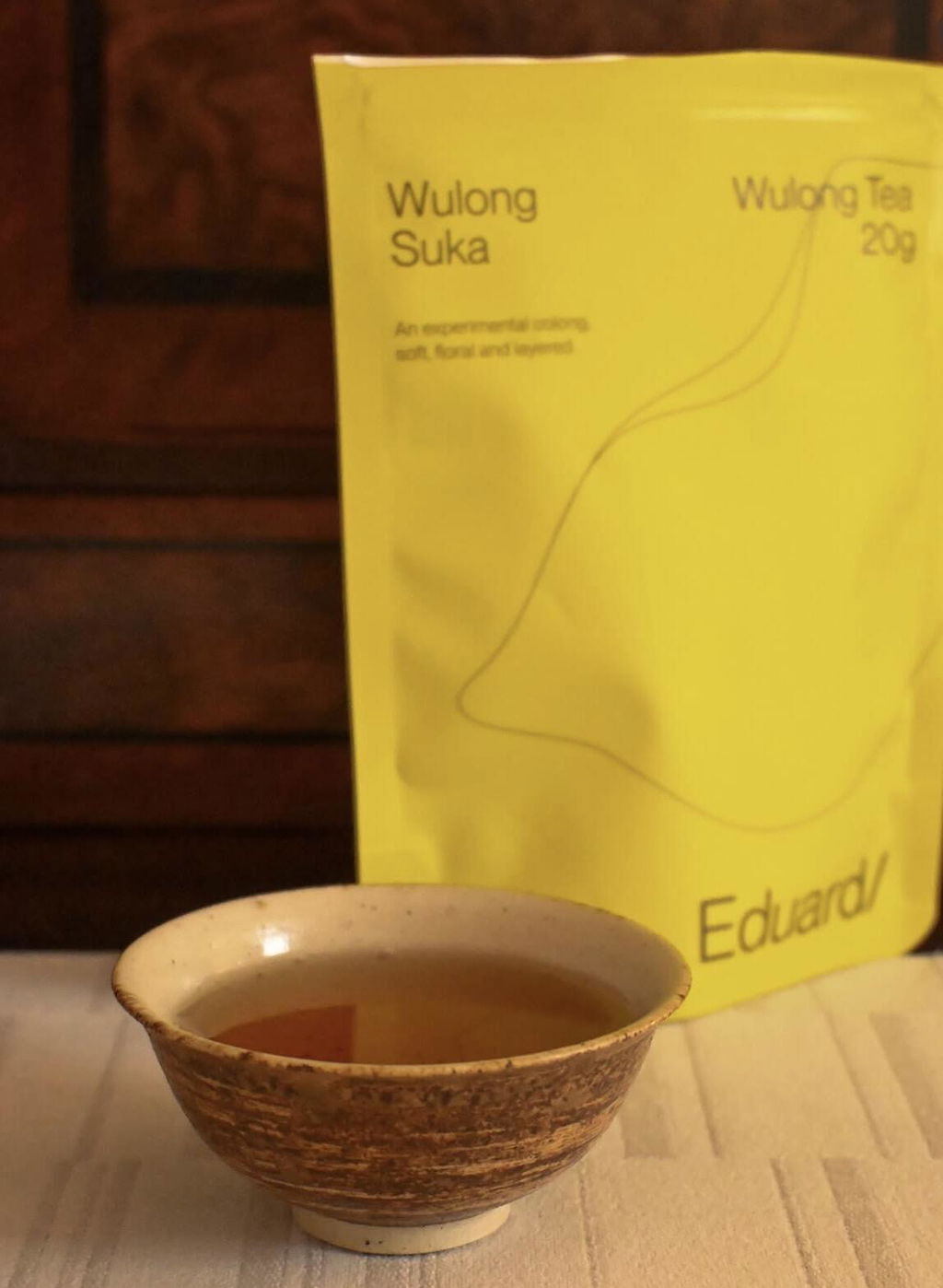
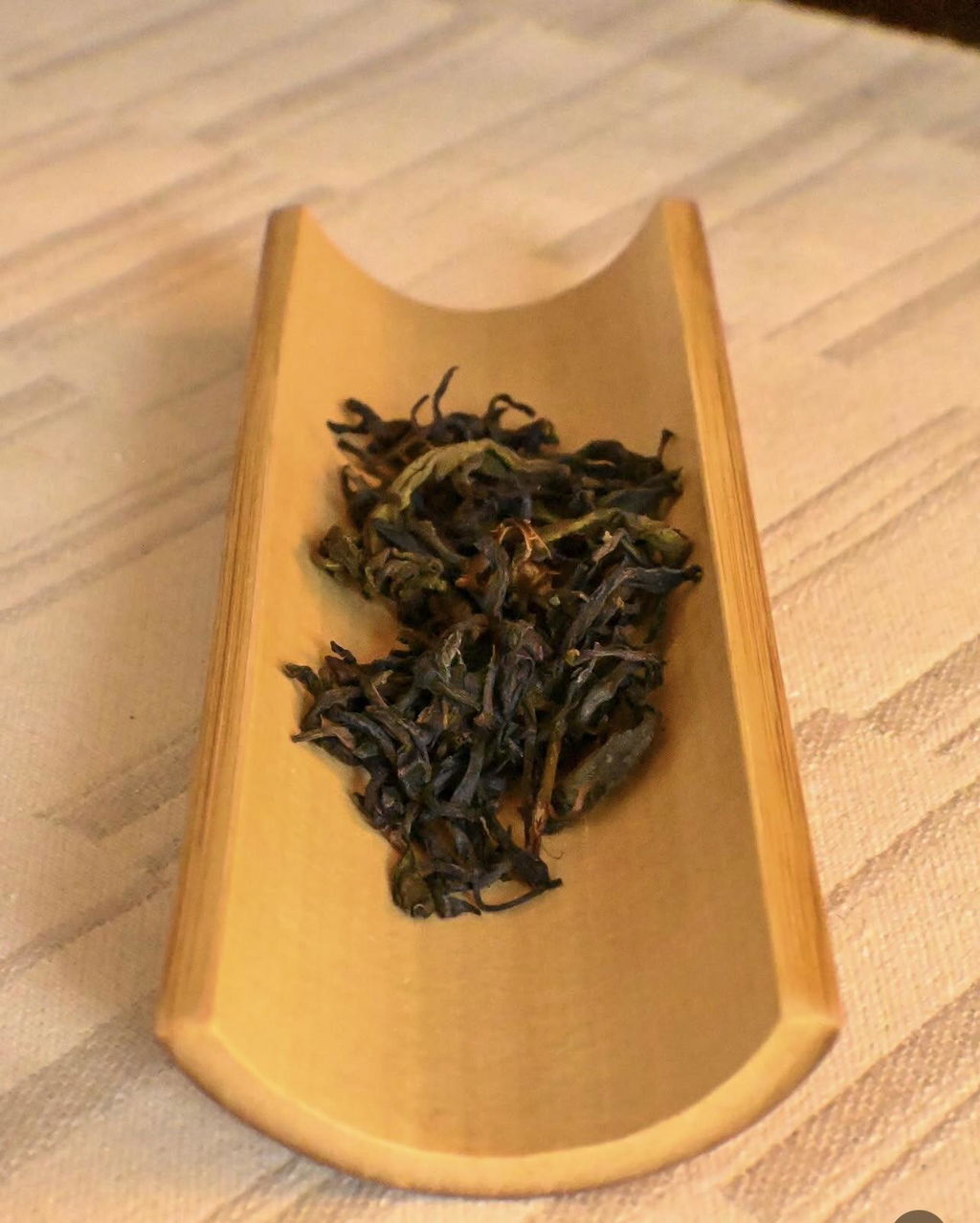
Simon review photoSimon review photoSimon review photo
P
Phil

Ich hatte die neue Anden-Kollektion vorbestellt und muss sagen, dass mich „Wulong Suka" von allen am meisten begeistert hat. Es ist ein wirklich sehr vielschichtiger Oolong, der mit einer klaren Orchideen-Note startet und über die Aufgüsse hinweg immer weicher und pflanzlicher wird. Die Vanille zeigt sich eher dezent im Abgang. Dazu kommt eine angenehme Tiefe, die an gedünstetes Gemüse erinnert, ohne ins Grasige zu kippen.

Ich habe ihn im Gongfu-Stil mit 5g auf 100ml bei 90°C zubereitet und er hat problemlos 7 Aufgüsse mitgemacht. Wer helle, blumige Oolongs aus Taiwan mag, sollte ihn unbedingt probieren. Er ist aber keine Kopie davon, sondern hat einen ganz eigenen Charakter. Spannend, dass so etwas aus Peru kommt. Klare Empfehlung!

About Us

Leaves & Stories

Eduard/ is a contemporary tea label founded in Berlin in 2025 by tea sommelier Eduardo Molina. We release curated collections of teas from a single tea-growing region. Each collection is a bridge into that region and an invitation to discover its terroir, people, and stories.

Eduardo Molina, founder of Eduard/, smiling with a glass of tea
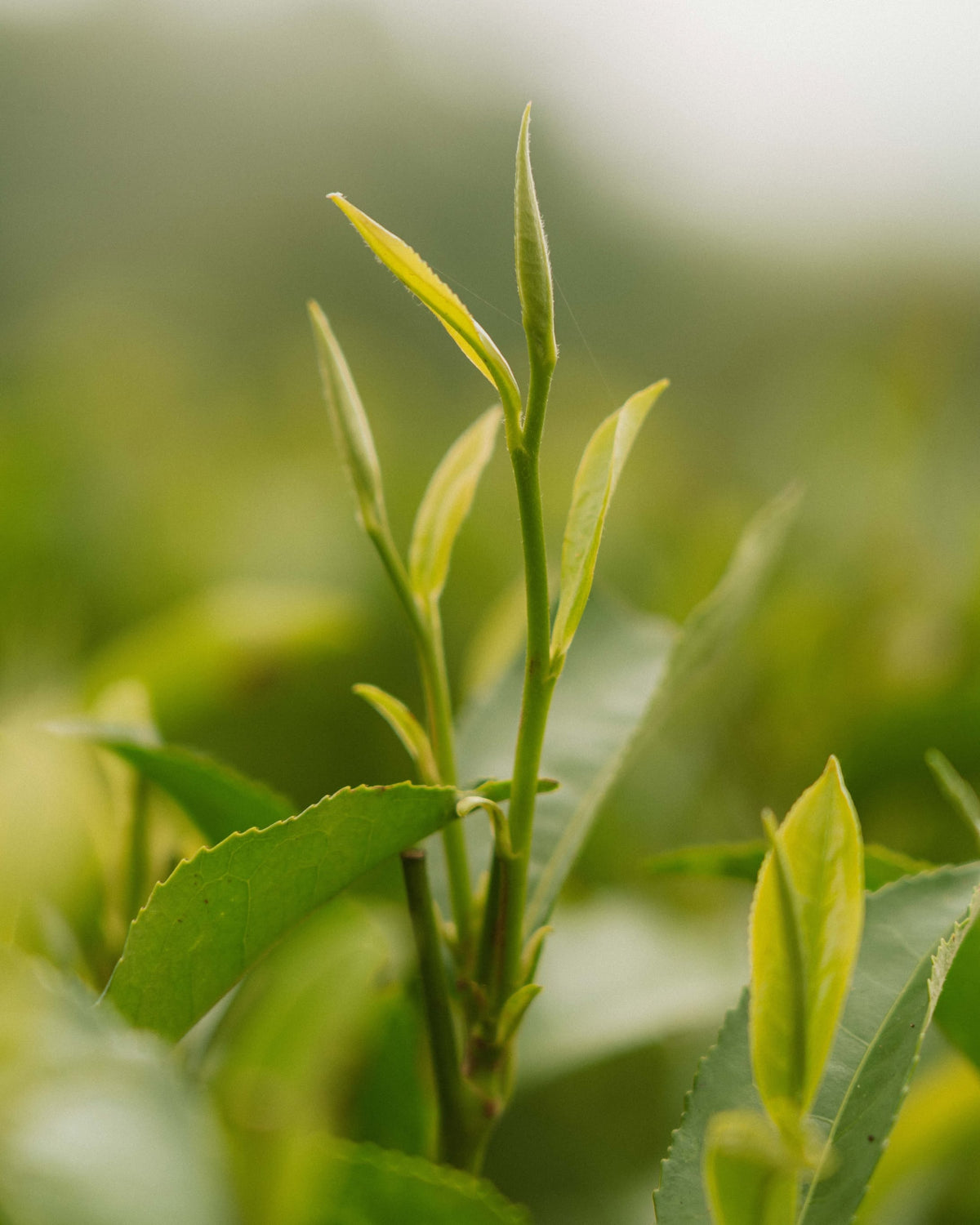
Close-up of fresh tea shoots on a tea bush

FAQ

How do I brew Wulong Suka?

Use 2 g of leaves — about two teaspoons — per 100 ml of water at 90 °C. Let it steep for one and a half minutes, then strain. The same leaves carry three more infusions: one minute, one minute, then one and a half.

What’s the difference between Wulong and Oolong?

None — it is the same tea. Both spellings write out the same Chinese word: 烏龍, “black dragon”, named after the dark, twisted leaves of the first teas of this kind from Fujian. “Oolong” reached Europe in the 19th century through the tea ports of southern China and follows the Hokkien pronunciation used there; “Wulong” is the modern Mandarin transcription — which is why we spell it Wulong.

In France the same tea goes by yet another name: thé bleu, blue tea. That comes from the Chinese category 青茶, whose colour word sits somewhere between blue and green — a reference to the partial oxidation that places these teas between green and black tea.

Which water is best for this tea?

Water is almost everything that ends up in the cup, so its quality decides a large part of what you taste. Filter it if you can; without a filter, use a low-mineral spring water such as Volvic. Hard, strongly mineralised water makes the tea taste flat — the orchid and vanilla notes disappear behind the minerals, and what is left is dull and slightly chalky. Over four infusions, soft water keeps each one clear.

We work with the Aarke Purifier, which turns even mediocre tap water into water worth drinking — but a simple filter jug does the job too.

Can I brew the leaves more than once?

Absolutely! And the second infusion is often the best one. Unlike the broken leaf in a supermarket tea bag, whole leaves need the first infusion just to open up, and they change as they go: bright and fragrant at first, then denser and sweeter, finally quiet and mineral. In Chinese gongfu cha, eight to fifteen infusions are perfectly normal. The steeping times for the later infusions are printed on the pouch.

Do intensity and caffeine go together?

Less than most people assume. What you taste as intensity comes from tannins, oxidation and roasted notes — caffeine itself is barely noticeable in the cup. A pale, gentle tea can carry more of it than a dark, robust one. That is why we show the two scales separately.

The reason lies in the plant. Caffeine is not there for our benefit but as a defence: the tea plant builds it to keep insects away from its youngest shoots. That is exactly where it sits most densely — in the bud and the top leaves, while older, tougher leaves hold less. A tea made from buds alone, pale in the cup and delicate on the palate, therefore often sits higher on the caffeine scale than a dark black tea. Variety, altitude, temperature and the moment of harvest all play their part, and so does the cup itself: how much leaf you use, how hot the water is and how long it steeps decide how much caffeine actually ends up in your brew.

The scale helps to put that in perspective. Depending on leaf and brew, a cup of tea sits somewhere between 10 and 70 milligrams of caffeine — at the bottom light infusions of stems and older leaves, at the top a generously dosed black tea from young leaf. A cup of coffee starts at around 90 milligrams and climbs to 200 and beyond, depending on bean, roast and dose. Coffee, in other words, begins roughly where tea leaves off.

The curious part: dry tea leaf holds a higher share of caffeine than a coffee bean does. What decides is not the content of the raw material but how much of it makes its way into the water — and that takes surface. A bean is ground; a whole leaf gives up only part of what it holds in two minutes of steeping. Which is exactly why matcha is the exception among teas: it is milled to a fine powder and not infused but drunk whole, leaf and caffeine together. A bowl of matcha therefore sits closer to coffee than to tea.

How should I store the tea?

Keep the bag closed and store it dry, dark and away from strong smells. A cool spot at room temperature works better than the fridge.

Is Wulong Suka organic?

No, this tea carries no organic seal. Madre Térra is a fourth-generation family business in the Valle de Huyro, and the tea does not grow in rows but semi-wild among other plants in the forest, at 2,100 metres. Certifying a patch of forest like that would mean more paperwork than harvest for a business this size. No chemical pesticides are used all the same — we have seen that for ourselves.

How long does delivery take?

Your order is packed in Berlin and reaches you within two to four working days. Shipping within Germany is free from 69 €.

What if I don't like the tea?

Then it's on us. Write to us within 30 days of delivery and you'll get your money back in full. Nothing needs to be sent back — keep the tea or pass it on.

Wulong Suka (Agro-Forestry) € 15,00